
Verde Casino im Test: Spiele, Boni & Auszahlungen

In diesem Review schaue ich vor allem auf Mobilität, Spielauswahl, Bonusregeln und Auszahlungsabläufe. Ziel ist, dir einen realistischen Eindruck zu geben, wie es im Alltag läuft: vom ersten Einloggen bis zur Auszahlung.

Verde Casino Verde Casino ist darauf ausgelegt, sowohl am Handy als auch am Desktop unkompliziert nutzbar zu sein. Die Startseite ist übersichtlich, die Navigation bleibt auch bei vielen Spielen schnell erreichbar. Insgesamt wirkt die Plattform eher funktional als verspielter gestaltet.

Überblick zum Konto, Spielstart und Bedienung

Nach der Registrierung kannst du das Konto schnell mit einem Zahlungsanbieter verknüpfen. Für die Spielauswahl gibt es Filter nach Spieltyp, Anbieter und RTP-Informationen, soweit diese vom jeweiligen Anbieter bereitgestellt werden. Die Oberfläche lädt zügig und schaltet zwischen Kategorien ohne lange Wartezeiten um.

Für Einsteiger sind vor allem die Bereiche „Slots“, „Live-Casino“ und „Tischspiele“ praktisch. Wenn du lieber kontrolliert spielst, helfen die Spielregeln direkt am Tisch oder im Slot-Vorschaufenster, damit du die wichtigsten Einsatz- und Funktionsdetails vor dem Start siehst.

Willkommensbonus und laufende Aktionen im Überblick

Der Willkommensbonus richtet sich an neue Spieler. Angeboten wird eine „Match“-Vergütung auf den ersten Einsatz, gekoppelt an Freispiele. Die konkreten Bedingungen können sich ändern, aber in der aktuellen Gestaltung funktioniert es typischerweise so: Du erhältst bei einer Einzahlung bis zu 100 € einen Bonus in Höhe von 100% (Bonusguthaben). Zusätzlich gibt es Freispiele auf ausgewählte Slots.

Wichtig für die Planung: Das Bonusguthaben ist in der Regel an eine Umsatzauflage gebunden. Die übliche Struktur liegt bei 35x Umsatz für das Bonusguthaben. Für die Freispiele gilt meist eine separate Umsatzberechnung, die auf den gewonnenen Betrag aus den Freispielen anwendbar ist. Bei Auszahlungsanfragen ist außerdem üblich, dass nur der auszuzahlende Anteil nach Erfüllung der Bedingungen freigegeben wird.

Für laufende Aktionen gibt es meist zusätzliche Slot-Events oder kleine Cashback-Deals. Diese sind zeitlich begrenzt und häufig auf bestimmte Spielkategorien beschränkt. Achte deshalb bei jeder Aktion auf die genaue Liste der teilnehmenden Spiele.

Boni im Vergleich: Was du wirklich prüfen solltest

Bonusart Typischer Rahmen Umsatzauflage Hinweis
Willkommens-Match Bis 100 € Einzahlung 35x Bonusumsatz Nur nach Bonusterme aktiv
Freispiele Auf ausgewählte Slots Separat geregelt Teilnahme über Bonuscode/Einlösung
Cashback Meist wöchentlich Oft mit Bedingungen Teilnahme an Zeitraum gebunden
Turniere Je nach Zeitraum Keine aufschlüsselten Umsatzwerte Teilnahme abhängig von Ranglisten

Spielauswahl: Slots, Live-Casino und Tischspiele

Die Slot-Auswahl ist der größte Bereich. Es gibt viele klassische 3- bis 5-Winkel-Slots, aber auch neuere Video-Slot-Varianten mit Bonusrunden und erweiterten Features. Praktisch ist, dass du über „Empfohlen“ und „Neu“ schnell zu Spielen kommst, die aktuell aktiv sind.

Beim Live-Casino findest du mehrere Studiotische: Roulette, Black Jack und eine Auswahl an Show- und Variantenmodi. Für Black Jack gibt es in der Regel die üblichen Regeln wie Dealer steht bzw. weitere Spielvarianten, die im jeweiligen Spielmodus erklärt werden. Wenn du lieber kalkulierst, achte darauf, ob du gegen den Dealer oder gegen eine Variante mit speziellen Einsätzen spielst.

Bei Tischspielen ist die Einsatzbreite spürbar, aber nicht unendlich. Für sehr hohe Einsätze sind die Optionen meist limitiert, während die meisten Spieler mit Standard-Bet-Bereichen gut bedient sind.

Spiele zahlen sich nicht aus: Teste die Einsatzlimits

Je nach Spiel und Modus können Mindest- und Höchsteinsätze abweichen. Bei Slots siehst du diese Werte direkt vor dem Start. Bei Live-Tischen findest du Mindest- und Höchsteinsatz meist im Informationsbereich des Tisches. Das ist besonders relevant, wenn du gezielt in einer bestimmten Budgetspanne bleiben möchtest.

Zahlungen im Fokus: Einzahlen und Auszahlen

Für Einzahlungen setzt Verde Casino auf gängige Methoden. Dazu gehören Kreditkarte, Sofort-Überweisung, klar definierte E-Wallets sowie ggf. weitere lokale Verfahren. Die Verfügbarkeit hängt von deinem Wohnsitz ab. Bei Auszahlungen werden üblicherweise zuerst die verknüpften Zahlungsmethoden priorisiert, insbesondere wenn du bereits mit einer Methode eingezahlt hast.

Die Bearbeitungszeit ist in der Praxis entscheidend. Als realistische Richtlinie kannst du davon ausgehen, dass Einzahlungen sofort oder innerhalb kurzer Zeit bestätigt werden. Auszahlungen benötigen häufig mehr Zeit, vor allem, wenn zusätzliche Sicherheits- oder Verifikationsprüfungen anstehen. In der Regel wird zuerst die Identitätsprüfung oder die Bestätigung der Zahlungsquelle abgeschlossen, bevor Geld ausgezahlt wird.

Wichtig: Wenn du Boni im Spiel hattest, kann es sein, dass Auszahlungen erst nach Erfüllung der Bonusbedingungen möglich sind. Außerdem können gewisse Regeln gelten, etwa maximale Auszahlungsgrenzen pro Zeitraum. Diese Details sind im Bonusbereich oder in den Spielbedingungen aufgeführt und sollten vor dem ersten Auszahlungsschritt geprüft werden.

Typische Zahlungszeiten im Alltag

Vorgang Typische Dauer Was oft nötig ist Hinweis
Einzahlung Minuten bis 1 Stunde Zahlungsbestätigung Je nach Anbieter
Auszahlung 1–5 Werktage Verifizierung Abhängig vom Prüfstatus
Auszahlung mit Bonus 3–7 Werktage Bonusbedingungen erfüllt Umsatznachweise/Regeln prüfen
Verifizierung Innerhalb von 24–72 h Dokumente Kann zeitlich variieren

Vor- und Nachteile, die im Test auffallen

Damit du schneller entscheiden kannst, hier eine kurze Liste der Punkte, die im Alltag am meisten zählen. Ich konzentriere mich dabei auf das, was Spieler direkt merken: Übersichtlichkeit, Auszahlungslogik und Spielauswahl.

Pros

  • Übersichtliche Startseite mit schnellen Filtern für Slots und Live-Spiele
  • Gute Nutzbarkeit am Handy, ohne dass du ständig Menüs neu aufrufen musst
  • Klare Anzeige von Einsatzbereichen direkt im Spiel (besonders bei Slots)

Cons

  • Auszahlungen können bei Bonusnutzung länger dauern, bis alle Bedingungen erfüllt sind
  • Live-Tische haben je nach Modus unterschiedliche Einsatzlimits
  • Teilnahmebedingungen bei Aktionen können auf bestimmte Spiele beschränkt sein

Praktische Tipps vor dem ersten Echtgeldspiel bei Verde

Wenn du das Risiko für unnötige Verzögerungen reduzieren willst, helfen ein paar Checks vor dem ersten großen Einsatz. Erstens: Lies dir die Bonusbedingungen komplett durch, besonders Umsatzauflage und Einschränkungen. Zweitens: Halte deinen Auszahlungsweg sauber, also nutze für Einzahlungen möglichst die Methode, mit der du später auch auszahlst. Drittens: Teste ein Spiel mit kleinerem Einsatz, um die Bedienung und Ladezeiten im Live-Bereich zu prüfen.

Für Slots lohnt sich außerdem ein Blick auf Rückgabewerte (RTP), falls verfügbar, und auf die Bonusmechanik. Nicht jeder „Mega-Bonus“ ist gleich gebaut; eine kurze Probe hilft, das eigene Spielverhalten realistisch einzuschätzen. So vermeidest du, dass du erst im Verlauf merkst, dass ein bestimmter Spieltyp nicht zu deinem Budget passt.

FAQ zu Verde Casino: Antworten auf häufige Fragen

Wie lange dauert eine Auszahlung in der Regel?

Ohne besondere Prüfungen liegt die Bearbeitungszeit häufig bei 1–5 Werktagen. Mit Bonusnutzung oder zusätzlicher Verifizierung kann es eher Richtung 3–7 Werktage gehen.

Gibt es Limits bei Einzahlungen oder Auszahlungen?

Ja, Limits können je nach Zahlungsmethode, Verifikationsstatus und Regelwerk variieren. Die konkreten Werte werden im jeweiligen Zahlungsbereich angezeigt.

Kann ich Boni mitspielen und danach sofort auszahlen?

In der Regel nicht sofort. Bonusguthaben und Freispielgewinne sind meist an Umsatzauflagen gebunden. Erst nach Erfüllung sind Auszahlungen oft möglich.

Welche Spiele sind für Freispiele am häufigsten vorgesehen?

Freispiele sind typischerweise auf ausgewählte Slots begrenzt. Die genaue Liste wird bei der Einlösung oder im Bonusbereich angezeigt.

Ist Verde Casino auch auf dem Handy gut nutzbar?

Ja, die Bedienung ist auf mobile Nutzung ausgelegt. Live-Casino kann je nach Verbindung stabil laufen, aber es lohnt sich, vor größeren Einsätzen kurz einen Tisch zu testen.

Welche Schritte sind bei der Verifizierung üblich?

Meist werden Identitätsnachweis und ggf. ein Nachweis der Zahlungsquelle verlangt. Wie schnell das klappt, hängt vom Upload und der Bearbeitung ab.

Reimagining Casino Budgets: How AI‑Driven Bankroll Tools Are Shaping Responsible Play This Black Friday

Black Friday has become the Super Bowl of online gambling. In the past twelve months, the biggest casino operators have rolled out marathon deposit‑match offers, 200 % bonus boosts, and a torrent of free‑spin packs that turn a regular weekend into a high‑stakes sprint. The surge in traffic is unmistakable: traffic logs from several large‑scale platforms show a 45 % jump in new‑player registrations and a 60 % rise in total wagering volume between the Friday‑morning kickoff and Sunday night. While the promotional fireworks drive revenue, they also amplify the temptation to gamble impulsively, especially for players who log in via mobile casino apps while shopping for the latest tech gadgets.

For a glimpse of how modern platforms integrate these tools, see the latest features on online casino singapore. The site serves as a neutral resource that outlines emerging responsible‑gaming utilities without endorsing any specific operator. As the holiday rush intensifies, operators are turning to AI‑driven bankroll‑management systems that analyze betting patterns in real time, automatically enforce limits, and send contextual alerts. These tools aim to keep the excitement of Black Friday bonuses within a safe, self‑controlled budget, protecting both the player’s wallet and the operator’s reputation.

The Black Friday Spike: Why Seasonal Promotions Need Stronger Safeguards

Black Friday promotions are engineered for maximum conversion. Typical offers include a 100 % deposit match up to $2,000, 50 free spins on high‑RTP slots such as Starburst (RTP ≈ 96.1 %), and a “cash‑back” guarantee that refunds 10 % of net losses over the weekend. Some operators even bundle a “VIP boost” that multiplies loyalty points by three, encouraging deeper play on live dealer games like Lightning Roulette where volatility can swing dramatically within a single round.

Statistical snapshots from industry analytics firms reveal that average player spend during the Black Friday weekend climbs to $1,250, compared with a $720 average for a typical weekend. The top 10 % of spenders account for roughly 45 % of total turnover, underscoring a concentration of risk among high‑volume gamblers. Moreover, the “deal‑driven” mindset often leads players to chase the bonus rather than their own strategic plan, inflating bet sizes and extending session lengths well beyond their usual limits.

The risks are not abstract. A 2023 case study from a European regulator showed that impulsive betting during promotional spikes increased the incidence of problem‑gambling indicators by 22 % within two weeks of the event. Players who entered the site with the intention of a modest $50 deposit frequently escalated to $500 or more after encountering stacked offers. This pattern fuels higher churn, increased customer‑support tickets, and, crucially, regulatory scrutiny. Stronger safeguards—particularly those that operate in real time—are therefore essential to preserve player welfare while still capitalising on the promotional boom.

Key safeguards to consider:

  • Tiered bonus eligibility that scales with verified player activity.
  • Mandatory “cool‑down” periods after a series of large wagers.
  • AI‑generated spend forecasts presented before a player accepts a new offer.

By embedding these measures directly into the checkout flow, operators can temper the Black Friday spike without diluting the allure of the promotion.

AI‑Powered Budget Controls: Core Technologies Behind Modern Bankroll Tools

The next generation of responsible‑gaming suites relies on machine‑learning models that ingest thousands of data points per player: average bet size, game volatility, session duration, and even device‑type trends. These algorithms construct a dynamic profile that predicts short‑term spending trajectories and flags deviations that exceed a player’s historical comfort zone.

Real‑time limit enforcement is the hallmark of these systems. When a player’s projected spend for the day breaches a pre‑set threshold, the platform can automatically suspend further wagering or require a secondary verification step. Unlike post‑session alerts that arrive after the fact, this proactive approach stops overspend before it happens, reducing the emotional impact of regret.

Integration with user wallets and third‑party payment processors enables seamless enforcement. For example, a player linked to a prepaid e‑wallet can have a hard cap of $300 per day. The AI engine monitors each transaction, and when the cap is reached, the wallet’s API refuses additional deposits until the next 24‑hour cycle. This method eliminates the need for manual intervention and ensures compliance across desktop, mobile, and live‑dealer environments.

Predictive Spend Modelling

Predictive spend modelling analyses a player’s historical stake distribution—say, an average bet of $1.20 on a 5‑line slot with medium volatility. The model then projects a likely spend range for the upcoming session and adjusts alerts if the player suddenly escalates to $5 bets on a high‑RTP video poker game.

Dynamic Limit Adjustments

Dynamic limit adjustments allow the system to raise or lower daily caps in response to real‑time behavior. If a player voluntarily reduces their betting after a series of losses, the AI can lower the cap by 20 % to reinforce self‑control. Conversely, if the player consistently stays under the limit and opts into a higher‑risk promotion, the system can temporarily increase the ceiling, always with an opt‑out button visible.

Comparison of core features

Feature Traditional Alerts AI‑Driven Real‑Time Limits Hybrid Approach
Timing of intervention Post‑session Immediate Mixed
Customisation depth Fixed thresholds Adaptive per player Semi‑adaptive
Integration with payments Manual API‑driven Partial
Impact on overspend (avg.) +15 % loss –30 % loss –12 % loss

By marrying predictive analytics with payment‑gateway hooks, operators can create a frictionless safety net that respects player autonomy while curbing excess.

Player‑Centric Design: Making Bankroll Tools Usable and Engaging

A sophisticated engine is only as good as its user interface. Leading casinos now showcase dashboards that visualise spend in real time, using colour‑coded rings that fill as a player approaches their daily limit. For instance, a mobile casino app might display a teal ring that turns amber at 70 % of the cap and red at 90 %, providing an instant visual cue without disrupting gameplay.

Gamified progress bars also motivate responsible behaviour. Players earn “budget‑badge” milestones—bronze for staying under 50 % of the limit, silver for 75 %, and gold for never exceeding the cap across a month. These badges can be displayed alongside loyalty points, turning prudence into a status symbol that blends seamlessly with the excitement of slot tournaments and live dealer tables.

Customisable alerts give players control over how they are nudged. Options include push notifications that pop up on iOS or Android devices, email summaries sent each morning, or in‑app messages that appear during a natural pause (e.g., after a spin or a hand). A recent case study from a top‑tier European casino demonstrated a 22 % uplift in responsible‑gaming compliance after redesigning its alert system to allow players to set personal “soft‑stop” thresholds and choose their preferred delivery channel.

Key design takeaways:

  • Keep the dashboard uncluttered; primary metrics should be spend, limit, and time‑left.
  • Use gamification sparingly to avoid trivialising risk.
  • Provide an easy “reset” button that restores default limits for players who wish to start fresh.

By centring the experience around clarity and empowerment, operators turn a regulatory requirement into a value‑added feature that enhances trust and retention.

Regulatory Landscape: How New Policies Are Encouraging Smart Budget Features

Regulators worldwide are tightening the reins on promotional gambling, especially during high‑traffic events like Black Friday. The UK Gambling Commission’s 2024 amendment mandates that all licensed operators must offer AI‑enhanced bankroll tools that can enforce hard limits on a per‑session and per‑day basis. Failure to comply can result in fines up to £250,000 or the suspension of a licence.

In contrast, jurisdictions such as Malta and the Isle of Man still rely heavily on self‑exclusion registers and voluntary limit settings. While these regions encourage responsible gaming, they lack the enforceable, technology‑driven safeguards seen in the UK or the newly formed Nordic Gaming Authority, which requires real‑time AI monitoring for any promotion exceeding a 150 % deposit match.

Compliance costs vary. Integrating AI modules and payment‑gateway APIs can cost an operator between $150,000 and $300,000 in development and ongoing licensing fees. However, the competitive advantage is tangible: operators that showcase robust budgeting tools often experience lower charge‑back rates and higher player loyalty scores.

International Standards

The Global Gaming Guidelines (GGG) have issued a consensus paper outlining baseline requirements for AI‑based budget tools: transparent algorithmic logic, player‑controlled parameter settings, and regular independent audits. While the GGG is not a regulatory body, its standards are increasingly referenced by national commissions as a benchmark for best practice.

Enforcement Mechanisms

Enforcement now includes scheduled audits by third‑party auditors, with penalties ranging from mandatory corrective action plans to revocation of operating licences. Operators must also publish quarterly reports on responsible‑gaming metrics, including the percentage of players who have activated AI limits and the average reduction in overspend during promotional periods. Transparency portals, often hosted on sites like Atlanteanconspiracy as a neutral information hub, allow stakeholders to verify compliance claims without bias.

By aligning with these emerging policies, operators not only avoid sanctions but also position themselves as leaders in the responsible‑gaming movement, attracting a more discerning player base that values safety as much as excitement.

Future Trends: What’s Next for Casino Budget Management Post‑Black Friday

Looking beyond the current holiday surge, several innovations promise to reshape bankroll management across the entire gambling ecosystem. Biometric authentication—fingerprint or facial recognition—can be paired with spend‑limit APIs to ensure that only the account holder can override a preset cap. Early pilots in Scandinavian markets have shown a 35 % reduction in unauthorized limit changes, suggesting a strong deterrent effect.

Virtual and augmented reality casinos are on the horizon, and they will demand cross‑platform budgeting solutions that track spend across headsets, smartphones, and desktop browsers simultaneously. Imagine a player who starts a session in a VR slot hall, switches to a mobile live‑dealer table, and then returns to a desktop poker room; a unified AI engine would maintain a single, continuous budget view, preventing fragmented overspend.

Community‑based budgeting pools represent a more radical shift. Players could opt into a shared “responsibility fund” where a portion of each bet is earmarked for collective wellness initiatives, such as counseling services or educational webinars. Peer‑support dashboards could display anonymised progress bars, fostering a sense of shared accountability.

These trends converge on a single goal: making responsible gambling an integral, invisible layer of the gaming experience rather than an afterthought. As AI models become more sophisticated and regulatory frameworks tighten, the line between entertainment and protection will blur, delivering a seamless environment where players can chase jackpots without compromising their financial health.

Conclusion

AI‑driven bankroll tools are rapidly evolving from optional add‑ons into essential components of the modern online casino, especially during high‑pressure promotional windows like Black Friday. By leveraging predictive analytics, real‑time enforcement, and player‑centric design, operators can mitigate impulsive spending while preserving the excitement of bonus offers. Regulators are reinforcing this shift with mandatory standards that reward compliance with lower risk profiles and stronger brand loyalty.

For players, the benefit is clear: a transparent, customizable safety net that lets them enjoy high‑RTP slots, live dealer games, and mobile casino apps without the fear of runaway losses. For operators, the upside includes reduced charge‑backs, enhanced reputational capital, and a competitive edge in markets that value responsible gaming. As technology continues to intertwine with policy—through biometrics, VR integration, and community budgeting—the future of casino budget management looks both secure and innovative. Resources such as Atlanteanconspiracy can provide ongoing insight into these developments, helping industry stakeholders stay informed as the landscape evolves.

Pinco – Bankroll Nədir və Niyə Vacibdir – Reallıq Yoxlaması – Nə Vaxt Dayanmalı – practical steps, key details, and common pitfalls

Pinco – Bankroll Nədir və Niyə Vacibdir – Reallıq Yoxlaması – Nə Vaxt Dayanmalı – practical steps, key details, and common pitfalls

Pinco-da Reallıq Yoxlaması ilə Kazino Strategiyaları

Yeni başlayanlar üçün kazino oyunları maraqlı ola bilər, amma pulunuzu necə idarə edəcəyinizi bilmək vacibdir. Pinco platformasında bankroll idarəetmə strategiyaları sizə nə qədər mərc etməli və nə vaxt dayanmalı olduğunuzu göstərir. Bu yazıda biz reallıq yoxlaması anlayışını sadə addımlarla izah edəcəyik. Əgər hələ də pinco casino giriş etməmisinizsə, narahat olmayın – burada hər şeyi addım-addım öyrənəcəksiniz.

Bankroll Nədir və Niyə Vacibdir

Bankroll, sizin kazino oyunları üçün ayırdığınız pul məbləğidir. Bunu bir növ “oyun büdcəsi” kimi düşünün. Pinco-da oynayarkən, bankrollunuzu idarə etmək sizi itkilərdən qoruyur. Məsələn, cibinizdə 50 manatınız varsa, hamısını bir anda mərc etmək ağıllı deyil. Bunun əvəzinə, kiçik hissələrə bölün.

  • Bankrollunuzu müəyyən edin – məsələn, ayda 100 manat
  • Hər oyun üçün maksimum 10% mərc edin
  • Qazancınızı yenidən bankrolla əlavə edin
  • İtkiləri geri qazanmağa çalışmayın
  • Pinco-da limitlər təyin edin – bu sizə kömək edir

Reallıq Yoxlaması – Nə Vaxt Dayanmalı

Reallıq yoxlaması, oyun zamanı özünüzə “hələ də nəzarət edirəm?” sualını verməkdir. Pinco bu anlayışı tətbiq etməyi asanlaşdırır. Təsəvvür edin ki, bir saat oynadıqdan sonra dayanıb düşünürsünüz: “Nə qədər uduzdum? Nə qədər qazandım?” Bu, emosiyaların sizi idarə etməsinin qarşısını alır.

  1. Hər 30 dəqiqədən bir fasilə verin
  2. Qazancınızı yoxlayın – əgər 20% artıbsa, dayanmağı düşünün
  3. İtki limitinizə çatdıqda, oyunu bitirin
  4. Pinco-da vaxt xatırlatmalarından istifadə edin
  5. Dostunuzla oynayırsınızsa, bir-birinizə nəzarət edin

Pinco-da Mərc Strategiyaları – Neçə Faiz Mərc Etməli

Mərc miqdarını təyin etmək üçün sadə bir qayda var: bankrollunuzun 1-5%-ni mərc edin. Pinco-da oyunçular üçün bu rəqəm dəyişə bilər. Məsələn, 200 manatlıq bankrollunuz varsa, hər mərc üçün 2-10 manat ayırın. Bu, uzun müddət oynamağa imkan verir.

Bankroll (AZN) Tövsiyə Olunan Mərc (1%) Tövsiyə Olunan Mərc (5%)
50 0.50 2.50
100 1.00 5.00
200 2.00 10.00
500 5.00 25.00
1000 10.00 50.00

Pinco-da Stop-Loss və Take-Profit Nədir

Stop-loss, itki limitinizdir – məsələn, 30 manat itirdikdə dayanmaq. Take-profit isə qazanc hədəfinizdir – 50 manat qazandıqda oyunu bitirmək. Pinco-da bu strategiyaları tətbiq etmək asandır. Bunları gündəlik həyatdan bir nümunə ilə izah edək: fərz edin bazara çıxırsınız və 20 manat xərcləməyi planlaşdırırsınız. Əgər 30 manat xərcləsəniz, dayanırsınız. Eyni məntiq kazinoda da keçərlidir.

  • Stop-loss təyin edin: bankrollun 20%-i
  • Take-profit təyin edin: bankrollun 30%-i
  • Bu limitlərə ciddi əməl edin
  • Pinco-da limit funksiyalarını aktivləşdirin
  • Qazancınızı çıxarın – yenidən mərc etməyin

Pinco-da Oyun Seçimi və Strategiyalar

Hər kazino oyunu fərqli strategiya tələb edir. Pinco-da slot oyunları, stol oyunları və canlı dilerlər var. Yeni başlayanlar üçün ən yaxşısı aşağı volatiliteli oyunlardır – bunlar kiçik, lakin tez-tez qazanc verir. Məsələn, bir slot oyununda 0.50 manat mərc edib 1 manat qazana bilərsiniz. Bu, bankrollunuzu sabit saxlayır.

  1. Volatiliteni anlayın – aşağı volatiliteli oyunlar daha təhlükəsizdir
  2. RTP faizini yoxlayın – yüksək RTP daha yaxşıdır
  3. Pinco-da demo rejimdə oynayın – strategiyanızı sınayın
  4. Bir oyuna fokuslanın – çox oyun çaşdırır
  5. Mərc miqdarını tədricən artırın – tələsməyin
  6. Pinco-da Vaxt İdarəetməsi və Reallıq Yoxlaması

    Vaxt idarəetməsi reallıq yoxlamasının vacib hissəsidir. Pinco-da oynayarkən, hər saatdan sonra 10 dəqiqəlik fasilə verin. Bu, beyninizin soyumasına kömək edir. Təsəvvür edin ki, idman edirsiniz – fasiləsiz məşq etmək yorğunluq yaradır. Eyni şey kazino oyunlarına da aiddir.

    • Oyun vaxtını məhdudlaşdırın – məsələn, gündə 1 saat
    • Fasilələr zamanı su için və ya gəzin
    • Pinco-da bildirişləri aktivləşdirin – vaxtı xatırladır
    • Oyunu bitirdikdən sonra nəticələri yazın
    • Həftəlik büdcə planı hazırlayın

    Pinco-da Səhvlərdən Qaçınmaq – Yeni Başlayanlar Üçün İpucları

    Ən çox yayılmış səhv, itkiləri geri qazanmağa çalışmaqdır. Pinco-da bu strategiya işləmir. Məsələn, 10 manat itirdinizsə, 20 manat mərc edib geri qazanmaq istəyirsiniz – bu risklidir. Bunun əvəzinə, kiçik addımlarla davam edin.

    1. Heç vaxt borc pul ilə oynamayın
    2. Emosiyalarınızı idarə edin – qəzəblə mərc etməyin
    3. Pinco-da limitləri təyin edin – məsələn, gündəlik itki limiti
    4. Oyunu rahat bir mühitdə oynayın
    5. Hər oyun seansından sonra özünüzə sual verin: “Nə öyrəndim?”

    Bu strategiyaları tətbiq etməklə, Pinco-da daha məsuliyyətli oynaya bilərsiniz. Unutmayın, kazino oyunları əyləncə üçündür – pul qazanmaq üçün deyil. Bankrollunuzu idarə edin, reallıq yoxlaması edin və hər zaman dayanmağı bilin. Beləliklə, həm qazancınızı qoruyarsınız, həm də oyundan zövq alarsınız.

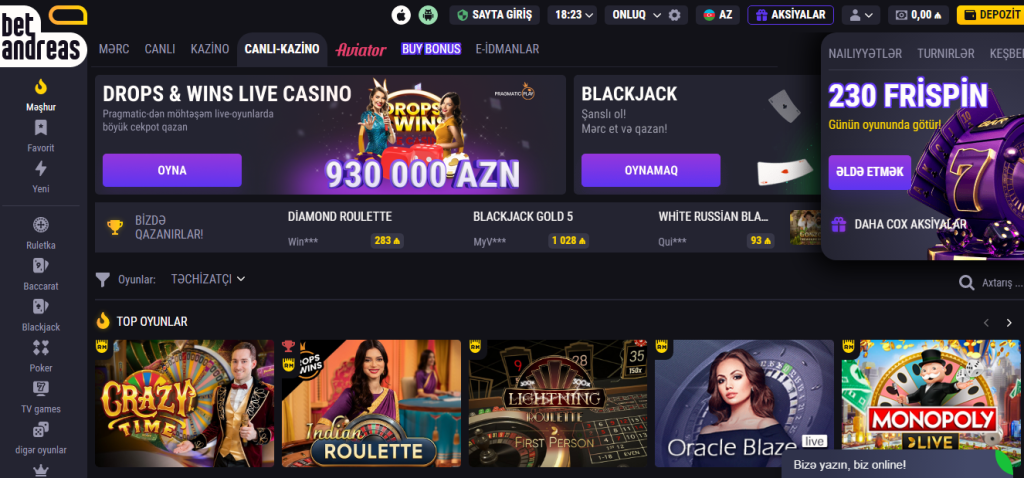
Betandreas platforması – Betandreas nədir – RTP mərkəzli baxış – Qeydiyyat və giriş – Riyaziyyatla başlayır at Betandreas

Betandreas platforması – Betandreas nədir – RTP mərkəzli baxış – Qeydiyyat və giriş – Riyaziyyatla başlayır at Betandreas

Betandreas platforması – Riyazi dəqiqliklə oyun icmalı

Betandreas onlayn kazinosu oyunçulara geniş slot seçimi və canlı diler təcrübəsi təqdim edir. Mən bu icmalda platformanın hər bir hissəsini RTP və dispersiya prizmasından qiymətləndirəcəyəm. Daha ətraflı məlumat üçün https://aksarayegemengazetesi.com/ səhifəsini ziyarət edə bilərsiniz.

Betandreas nədir – RTP mərkəzli baxış

Betandreas rəqəmsal qumar platformasıdır. Burada yüzlərlə slot oyunu, canlı kazino, idman mərcləri və promosyonlar var. Mənim üçün ən vacib meyar hər oyunun RTP faizidir. Betandreas oyunlarının əksəriyyəti 96% və daha yüksək RTP təklif edir. Aşağı RTP-li oyunlar (məsələn, 94%) daha risklidir. Dispersiyanı da nəzərə almaq lazımdır – yüksək dispersiya uzun müddət uduş gətirməyə bilər.

Qeydiyyat və giriş – Riyaziyyatla başlayır at Betandreas

Betandreas-da qeydiyyat sadədir: email, telefon, şifrə və valyuta seçimi. Ancaq riyazi yanaşma tələb edirəm – bonusları qəbul etməzdən əvvəl onların mərc tələblərini yoxlayın. Giriş prosesi standartdır: istifadəçi adı və şifrə daxil edin. Platformanın interfeysi sürətlidir, ləngimələr nadirdir.

Betandreas mobil proqramı – RTP izləmə asanlığı

Mobil proqram Android və iOS üçün mövcuddur. Oyunların RTP göstəriciləri burada da eynidir – heç bir məhdudiyyət yoxdur. Proqram vasitəsilə slotların dispersiyasını izləmək, bonusları aktivləşdirmək və depozit etmək mümkündür. Mən RTP cədvəllərini proqram daxilində yoxlamağı məsləhət görürəm.

Bonuslar və promosyonlar – Riyazi reallıq with Betandreas

Betandreas bonusları cəlbedici görünür, lakin mərc tələbləri real RTP-ni aşağı salır. Məsələn:

  • Xoş gəlmə bonusu: 100% ilk depozitə, 30x mərc tələbi
  • Pulsuz spinlər: 50 spin, 40x mərc
  • Cashback: həftəlik 10% uduzulan məbləğdən
  • Turnirlər: ümumi hovuz mükafatı, lakin yüksək rəqabət
  • VIP proqram: səviyyələr üzrə artan cashback

RTP-yə əsaslanan oyunçu üçün bonuslar yalnız mərc tələbləri aşağı olduqda faydalıdır. Məsələn, 30x mərc tələbi 96% RTP ilə slotda gözlənilən itki təxminən 25% təşkil edir.

Betandreas

Depozitlər və çıxarışlar – Sürət və təhlükəsizlik at Betandreas

Betandreas Azərbaycan manatı (AZN) daxil olmaqla bir neçə valyuta qəbul edir. Depozit üsulları: kartlar, elektron pulqabılar, kriptovalyutalar. Çıxarış müddətləri:

Metod Minimum məbləğ Emal müddəti RTP təsiri
Bank kartı 10 AZN 1-3 gün Yox
Elektron pulqabı 5 AZN 24 saat Yox
Kriptovalyuta 10 AZN ekv. 1 saat Yox

Riyazi baxımdan, depozit limitləri oyun strategiyanıza təsir edir – aşağı limitlər yüksək dispersiyalı slotlar üçün uyğun deyil.

Betandreas – Təhlükəsizlik və KYC – Oyunların riyaziyyatı qorunur

Betandreas lisenziyalı platformadır. KYC (Know Your Customer) prosesi məcburidir: şəxsiyyət vəsiqəsi, ünvan təsdiqi. Bu, oyunların RTP-nin manipulyasiya edilməməsini təmin edir. Slotların RNG (Random Number Generator) testləri müstəqil laboratoriyalar tərəfindən yoxlanılır. Mən oyunçulara həmişə lisenziya məlumatlarını yoxlamağı tövsiyə edirəm.

Müştəri dəstəyi – RTP suallarına cavab

Betandreas dəstək xidməti 24/7 işləyir. Canlı söhbət, email və telefon vasitəsilə əlaqə mümkündür. Riyazi suallar (RTP, dispersiya) üçün dəstək agentləri məlumatlıdır. Cavab müddəti orta hesabla 5 dəqiqədir. Mən tez-tez RTP faizlərini soruşuram – dəstək dəqiq rəqəmlər verir.

Betandreas oyun kataloqu – RTP və dispersiya seçimi

Platformada 3000-dən çox slot var. Hər oyunun RTP və dispersiyası fərqlidir. Aşağı dispersiyalı slotlar (məsələn, Starburst 96.1% RTP) tez-tez kiçik uduşlar verir. Yüksək dispersiyalı slotlar (məsələn, Dead or Alive 2 96.8% RTP) böyük cekpotlar vəd edir, lakin uzun müddət boş keçə bilər. Mən oyunçulara RTP cədvəlini yoxlamağı və öz büdcələrinə uyğun dispersiya seçməyi məsləhət görürəm.

Betandreas

Canlı kazino – Real diler, riyazi eynilik

Canlı kazino bölməsində blackjack, rulet, baccarat var. Bu oyunların RTP-si slotlardan fərqlidir. Məsələn, Avropa ruleti 97.3% RTP təklif edir. Blackjack-də düzgün strategiya ilə RTP 99.5%-ə çata bilər. Betandreas canlı dilerləri peşəkardır. Riyazi baxımdan, canlı oyunlar slotlardan daha şəffafdır, çünki kartların paylanması realdır.

İdman mərcləri – RTP-nin başqa tərəfi at Betandreas

Betandreas idman mərclərində də RTP anlayışı var. Mərclərin RTP-si tipik olaraq 90-95% arasındadır. Bu, kazino oyunlarından aşağıdır. Mən mərcləri riyazi modellərlə təhlil etməyi məsləhət görürəm. Betandreas platforması canlı mərclər üçün yüksək əmsallar təqdim edir, lakin uzun müddətdə kazinonun üstünlüyü qalır.

RTP mifləri – Betandreas reallığı

Bir çox oyunçu “qaynar slotlar” və ya “soyuq seriyalar” haqqında düşünür. Bu miflərdir. Hər spin müstəqildir. Betandreas slotlarının RTP-si proqram təminatı ilə müəyyən edilir. Yüksək RTP o demək deyil ki, qısa müddətdə udacaqsınız. Dispersiya nə qədər yüksəkdirsə, nəticələr bir o qədər dəyişkəndir. Mən oyunçulara statistikaya deyil, RTP-yə güvənməyi öyrədirəm.

Betandreas platforması riyazi cəhətdən şəffafdır. Oyunların RTP və dispersiyasını bilmək sizə uzunmüddətli perspektivdə kömək edəcək. Həmişə büdcənizi idarə edin və oyunları əyləncə kimi qəbul edin. RTP riyaziyyatı udmaq vəd etmir, ancaq daha ağıllı seçim etməyə imkan verir.

Pinco Kazino Demo Rejimi ilə Oyunları Sınaqdan Keçirin – Pinco-da Demo Oyunların Analitik Dəyəri

Pinco Kazino Demo Rejimi ilə Oyunları Sınaqdan Keçirin – Pinco-da Demo Oyunların Analitik Dəyəri

Pinco Kazino Demo Rejimi ilə Oyunları Sınaqdan Keçirin

Azərbaycanda onlayn kazino sektorunda irəliləyişi qiymətləndirərkən, Pinco platformasının demo oyun rejimi xüsusi diqqət çəkir. Bu rejim oyunçulara real pul riski olmadan slot və digər oyunları sınaqdan keçirmək, mexanikanı öyrənmək və strategiyaları tətbiq etmək imkanı verir. https://pinco-casino-az.org/ ünvanında təqdim edilən bu xüsusiyyət, yeni başlayanlar üçün təhlükəsiz giriş nöqtəsi, təcrübəli oyunçular üçün isə analitik sınaq sahəsidir.

Pinco-da Demo Oyunların Analitik Dəyəri

Pinco kazino demo rejimi, oyunların daxili mexanikasını anlamağa imkan verir. RTP (oyunçuya qayıdış faizi), volatillik və bonus raundların tezliyi kimi göstəriciləri risksiz mühitdə ölçmək mümkündür. Bu, oyun seçimini optimallaşdırmaq üçün əsaslı qərarlar qəbul etməyə kömək edir.

Demo Rejimdə Öyrənmə Prosesi – Addım-addım

Pinco-da demo oyunları oynamaq, slotların xüsusi simvollarını, məsələn, wild, scatter və multiplier funksiyalarını öyrənmək üçün ideal vasitədir. Oyunçu virtual kreditlərlə real oyun təcrübəsi qazanır, lakin maliyyə itkisi riski yoxdur.

Pinco Slotlarının Demo Versiyalarında Sınaq

Populyar Pinco slotlarının demo versiyaları, məsələn, “Book of Dead” və “Starburst”, oyunçulara fərqli mərc strategiyalarını sınaqdan keçirməyə şərait yaradır. Bu, real oyuna keçməzdən əvvəl özünəinamı artırır.

Pinco

Risksiz Oyun Təcrübəsi ilə Pinco-da İrəliləyiş

Pinco demo rejimi, oyunçulara səhvlərdən öyrənmə fürsəti verir. Məsələn, yüksək volatillikli slotlarda uduş tezliyini anlamaq üçün onlarla dövrə vurmaq olar. Bu məlumat, real oyunda büdcə idarəçiliyini yaxşılaşdırmağa kömək edir.

  • Pinco demo rejimində 100-dən çox slot oyunu mövcuddur
  • Hər oyun üçün virtual kredit limiti 10 000 AZN ekvivalentidir
  • Demo versiyalar real oyunun eyni RTP dəyərlərini əks etdirir
  • Bonus turlar və xüsusi simvollar tam funksionaldır
  • Oyunçu heç bir maliyyə öhdəliyi daşımır
  • Mobil cihazlarda da demo rejim işləyir
  • Yeni oyunlar əlavə olunduqca demo versiyaları da yenilənir
  • Demo rejimdə mərc məbləğləri real oyundan fərqlənmir
  • Oyun tarixçəsi saxlanılır, lakin virtual kreditlər sıfırlanır

Pinco Demo Oyunlarının Texniki Xüsusiyyətləri

Pinco platformasında demo rejim, hər oyun üçün ayrıca konfiqurasiya edilib. Aşağıdakı cədvəl, bəzi populyar slotların demo versiyalarında ölçülən parametrləri göstərir.

Oyun Adı RTP (%) Volatillik Səviyyəsi Demo Kredit Limiti
Book of Dead 96.21 Yüksək 10 000 AZN
Starburst 96.09 Aşağı 10 000 AZN
Gonzo’s Quest 95.97 Orta 10 000 AZN
Mega Moolah 88.12 Yüksək 10 000 AZN
Dead or Alive 2 96.82 Çox Yüksək 10 000 AZN
Immortal Romance 96.86 Orta-Yüksək 10 000 AZN
Thunderstruck 2 96.65 Orta 10 000 AZN
Blood Suckers 98.00 Aşağı 10 000 AZN
Jack and the Beanstalk 96.28 Orta 10 000 AZN
Twin Spin 96.61 Orta 10 000 AZN

Pinco-da Demo Oyunların Öyrənmə Faydaları

Pinco demo rejimi, oyunçulara real maliyyə riski olmadan müxtəlif strategiyaları sınaqdan keçirməyə imkan verir maliyyə. Məsələn, bir slotda mərc məbləğini dəyişərək uduş tezliyini ölçmək mümkündür. Bu, oyunçunun öz oyun tərzini anlamasına kömək edir.

  1. Yeni oyun mexanikasını öyrənmək üçün təhlükəsiz mühit
  2. Bonus turların işləmə prinsipini anlamaq
  3. Fərqli volatillik səviyyələrini müqayisə etmək
  4. Mərc strategiyalarını sınaqdan keçirmək
  5. Oyunların RTP dəyərlərini təsdiqləmək
  6. Mobil və masaüstü versiyalar arasında fərqləri görmək
  7. Virtual kreditlərin idarə edilməsi təcrübəsi qazanmaq

Pinco Demo Rejimi ilə Risksiz Təcrübə

Pinco kazino demo oyunları, oyunçulara real pul itkisi qorxusu olmadan slotları sınaqdan keçirmək imkanı verir. Bu, xüsusilə yüksək volatillikli oyunlarda uduş dövrlərini anlamaq üçün vacibdir. Pinco platformasında demo rejim, oyunçunun öz bacarıqlarını inkişaf etdirməsi üçün əsas vasitədir.

Pinco

Pinco-da Demo Oyunların Gələcək İnkişafı

Pinco, demo rejimdə yeni oyunların sayını artırmaqla yanaşı, oyunçulara daha dərin analitik məlumatlar təqdim etməyi planlaşdırır. Bu, oyunçulara öz oyun davranışlarını daha dəqiq ölçməyə imkan verəcək.

Pinco demo oyunları, onlayn kazino təcrübəsini risksiz mühitdə inkişaf etdirmək üçün effektiv vasitədir. Oyunçular bu rejimdən istifadə edərək slotların incəliklərini öyrənir, strategiyalarını təkmilləşdirir və real oyuna hazırlaşır. Bu yanaşma, Pinco-nun oyunçulara təqdim etdiyi dəyərli bir xidmətdir.

best name for dog 18

Top 1,000 Most Popular Dog and Puppy Names

Top 100 Best Names for Your Dog Full Guide

For big dogs who pack a punch, Tank is the most appropriate name. These dogs love to brute force their way into anything, such as doors, beds, and hugs. Dogs with this name are also tiny, golden, and a little bit crispy right on the edges. Snoop Dog is perhaps one of the most chillest canines in the neighborhood. With a laid-back posture and a slick hairstyle, these dogs often favor resting, but can work a crowd at any event.

However, it’s also famously inspired by the movie Top Gun, where Goose is the main character’s loyal wingman. Frank is a strong male dog name for honest and loyal companions. It’s a fitting name for dogs who behave and always follow the rules of the house. For these types of companions, Chewy might be an appropriate name. It’s also a popular choice among Star Wars fans, as it’s the nickname of a beloved character in the movie.

Unique care for your best friends, because they’re family.

These names include everything from male and famous names to ideas based upon their personality, appearance or breed. We have done the digging for you and have come up with an extensive list of 1000 boy dog names. Humans and dogs have shared their lives together for thousands of years.

Originally a girl’s name of French origin that means “dark brown,” but it could be a boy dog’s name, too. My Dog’s Name gives you the ability to search categories that are relevant to you and your pup. Our goal is to create a better experience for new pet owners and let you search for your favorite styles and themes. We’re excited to announce the top dog names of 2025, as determined by the millions of dog owners who used our site over the past year.

Must Read Stories

By giving The Cat in the Hat a new story focus, the latest adaptation might be setting itself up for success. This isn’t the first time “The Cat in the Hat” has leapt off the page. A lot is riding on the cat’s mission, as the trailer shows his coworkers at the I.I.I.I. (Institute for the Institution of Imagination and Inspiration, LLC) talking about his various failures. Or maybe Warner Bros. just wants to avoid stiff competition and play at a time where family audiences go to the movies more. The avoidance of a summer 2026 release date probably points more to the possibility that the movie may not be finished and perfected by the initial proposed release date. Though a lot is still unknown about the new Cat in the Hat movie, Warner Bros. did provide a brief synopsis that shines light on the story.

{

Nature-Inspired Boy Dog Names

|}

Despite being a long way from its release date, Warner Bros. has already done some shifting when it comes to The Cat in the Hat. The upcoming adaptation was originally penciled in for March 6, 2026, but it has now been moved forward by a week. Due to other scheduling changes at Warner Bros., The Cat in the Hat will now premiere on February 27, 2026, but it’s unclear if any other changes are expected in the future. The Cat in the Hat is perhaps one of Dr. Seuss’ most beloved works, and now the helpful feline is returning in a brand new cinematic adaptation.

Hazel is thought to come from the Old English word hæsel, meaning the light brown color. A sweet name for a brown dog, perhaps, and the last name of Cornelius, the Minister for Magic from the “Harry Potter” series. This smart phoenix is Albus Dumbledore’s companion and saves Harry Potter’s life after Harry was poisoned by a basilisk. If your pup’s got a high-spirited personality, then this caffeinated drink name might be a match.

You’ve stocked up on dog food, picked the perfect leash and collar, and dog-proofed your home. About My Dog’s NameFounded in October 2013, My Dog’s Name provides a fun, interactive experience for new dog owners looking for just the right pet name. The site allows users to sort names by preferred style and interests. More than 5 million people use My Dog’s Name each year when picking a name for their dog. If you’re interested in finding the perfect breed for you and learning more about breed traits, check out our dog breed selector.

The animation — handled by acclaimed studio DNEG Animation — blends 3D realism with cel-shaded fantasy to distinguish the “real world” from the Cat’s surreal imagination zones. The result is an eye-popping, vivid aesthetic that’s both nostalgic and refreshingly modern. Many fans have compared the visual style to Nimona or Mitchells vs. the Machines, while others have raised eyebrows over its slightly “AI-generated” appearance.

Step‑by‑Step Into Live‑Dealer Casinos: A Beginner’s Guide to Real‑Time Gaming

The buzz of a roulette wheel, the shuffle of cards, and the friendly banter of a dealer can now be experienced without stepping out of your living room. Imagine the neon glow of a Las Vegas floor, the clink of chips, and the thrill of a win—all streamed in high definition to your laptop, tablet, or phone. That is the promise of live‑dealer casinos, where real people run authentic tables and you interact through a chat window as if you were seated at the actual casino pit.

For those who are curious about where to start, a quick stop at a reputable travel‑style site such as https://www.destinationlebanon.com/ can provide useful background on regional gaming regulations and give you a sense of the broader entertainment landscape. While Destinationlebanon is not a gambling operator, it serves as a neutral resource for anyone wanting to understand the legal environment before diving in.

Beginners often gravitate toward pure RNG slots because they are simple and colorful, but live games offer a different set of advantages. The presence of a human dealer builds trust, the transparent handling of cards reduces the feeling of “black‑box” randomness, and the live chat creates a social atmosphere that can make learning the rules feel more natural.

In this guide we will break down the technology that powers live streams, show you how to pick a safe platform, highlight the most beginner‑friendly tables, and teach you bankroll‑management tactics. By the end, you’ll have the confidence to place your first bet, understand the odds, and enjoy a realistic casino experience from anywhere in the world, including Kuwait’s growing online‑casino market.

1. How Live‑Dealer Casinos Work Behind the Scenes

Live‑dealer casinos combine the physical world of a brick‑and‑mortar gaming floor with the digital convenience of online platforms. High‑definition cameras capture every dealer movement, from the flick of a wrist to the spin of a roulette wheel, and transmit the feed to a server farm optimized for low latency. When you place a bet, your action is sent back through the same secure tunnel, where the casino software registers it and updates the live interface in real time.

The dealer remains the central figure, dealing cards, spinning wheels, and answering chat questions. Behind the scenes, a certified RNG algorithm shuffles virtual decks for games that require it, ensuring that the outcome is statistically fair while still allowing the dealer to handle physical cards. All data traffic is protected by SSL encryption, and reputable operators are licensed by authorities such as the Malta Gaming Authority or the UK Gambling Commission, which conduct regular audits.

1.1. The “Live Stream” Infrastructure

Studios housing live tables are equipped with satellite‑grade cameras, multiple angles, and professional lighting. These setups often include a dedicated graphics overlay that displays betting options, odds, and player balances without obscuring the dealer’s actions. The video is encoded in real time and delivered via CDN (Content Delivery Network) nodes positioned close to the player’s location, minimizing delay to a few seconds even on mobile connections.

1.2. Real‑Time Interaction Features

Chat windows let you type “Good luck!” or ask the dealer to repeat a rule, while betting sliders let you adjust wager sizes with a single swipe. Many platforms also include a “tip the dealer” button, allowing you to reward good service with a small cash tip that appears on the dealer’s screen instantly. These features turn a solitary online session into a social encounter reminiscent of a real casino floor.

2. Picking the Right Live Casino Platform for New Players

When you start searching for a live‑dealer venue, the first filter should be licensing. Verify that the site holds a current license from a respected regulator; this guarantees adherence to strict player‑protection standards. Next, examine the provider roster. Evolution Gaming, Pragmatic Play, and NetEnt are industry leaders known for stable streams, a wide game selection, and transparent RNG certifications.

Mobile compatibility is crucial for modern players. Look for platforms that offer native iOS and Android apps or responsive web designs that adapt to smaller screens without sacrificing video quality. A user‑friendly interface should display game rules, betting limits, and chat functions clearly, allowing newcomers to navigate without feeling overwhelmed.

Provider License(s) Mobile App Notable Live Games
Evolution Gaming MGA, UKGC iOS & Android Live Blackjack, Lightning Roulette
Pragmatic Play Curacao, Malta Responsive web Live Baccarat, Mega Wheel
NetEnt Malta, Gibraltar iOS & Android Live Blackjack, Live Blackjack Surrender

Finally, read player reviews and check for responsible‑gaming tools such as self‑exclusion, deposit limits, and session timers. A platform that makes these features easy to access demonstrates a commitment to player safety—a key consideration for beginners.

3. The Most Beginner‑Friendly Live Games

Live Blackjack is often the first stop for newcomers because the rules are straightforward: aim for 21 without busting, and the dealer must hit on 16 and stand on 17. With a typical house edge of 0.5 % when using basic strategy, it offers one of the lowest RTP disadvantages in the live space.

Live Roulette provides an intuitive betting layout. Even‑money bets like Red/Black or Odd/Even give a near 50 % chance of winning, while the single‑zero wheel used in many European‑style live rooms reduces the house edge to 2.7 %. The visual cue of the ball spinning makes it easy to follow the action.

Live Baccarat requires the least decision‑making: you simply choose to bet on Player, Banker, or Tie. The Banker bet carries a 1.06 % edge after commission, making it a solid entry point for risk‑averse players.

For those who enjoy a bit of showmanship, live game shows such as Dream Catcher (a giant wheel with multipliers) or Monopoly Live (featuring a 3‑D board) blend casino mechanics with entertainment, offering bonus rounds that can boost winnings dramatically.

4. Understanding the Table Limits and Betting Strategies

Live tables publish minimum and maximum stakes clearly on the betting interface. Low‑limit tables may start at $1 or €5 per hand, while high‑roller rooms can require $500+ bets. Beginners should begin at the lowest tier to become comfortable with pacing and dealer interaction.

Basic Blackjack strategy charts, which dictate the optimal move for every hand versus the dealer’s up‑card, can reduce the house edge dramatically. For Roulette, many players adopt simple betting patterns such as “Red‑Black‑Red” or the “3‑Number Split” to manage risk while still enjoying the thrill of each spin.

In Baccarat, the safest approach is to consistently bet on the Banker, as the statistical advantage is baked into the game’s design. Regardless of the game, the key is to keep wagers small relative to your bankroll, allowing you to survive inevitable variance and build confidence over multiple sessions.

5. Managing Your Bankroll in a Live Environment

Start each gaming session with a predefined budget—say $100 for a weekend of practice. Divide this amount into smaller “units” (e.g., $10 each) and only risk one unit per hand or spin. This prevents a single loss from wiping out your entire session fund.

Most platforms provide built‑in tools: a “stop‑loss” setting that automatically logs you out once you’ve lost a certain amount, and a “win‑limit” that halts play after reaching a target profit. Activate these features before you begin; they act as a safety net against emotional chasing.

Live play can feel more immersive than RNG slots, which sometimes leads players to spend longer periods at the table. The real‑time dealer interaction heightens excitement, but it also amplifies the psychological pull to keep betting. Recognizing this difference helps you stay disciplined and stick to your bankroll plan.

6. Tips for a Smooth Live‑Dealer Experience

  • Optimize your internet: Use a wired Ethernet connection or a strong Wi‑Fi signal; avoid streaming other high‑bandwidth videos simultaneously.
  • Adjust device settings: Lower screen brightness to reduce glare, and enable “high‑performance” mode on mobile devices to keep the video feed steady.
  • Use headphones: Clear audio ensures you hear the dealer’s instructions and any bonus round cues without background noise.

Etiquette matters. When you tip the dealer, keep the amount modest (often 1–5 % of your bet) and avoid spamming the chat with unrelated comments. A simple “Good luck!” or “Thanks for the game!” is appreciated and maintains a respectful atmosphere.

6.1. Common Technical Glitches and Quick Fixes

Lag spikes can occur if your connection drops below 3 Mbps; pause the game, refresh the browser, and re‑enter the table. Frozen video usually resolves by closing the stream window and reopening it; if the issue persists, clear your cache or switch to a different device. For audio delays, check that your headphones are properly plugged in and that the browser’s audio permissions are enabled.

7. Real‑World Wins: What Beginners Can Expect

Statistical data from several European live‑dealer operators shows that low‑limit tables average a 48–52 % win rate for players on simple bets like Red/Black in Roulette or Banker in Baccarat. This means that for every 100 bets of $1, a typical beginner might expect to win around $48‑$52, though short‑term variance can swing results dramatically.

Consider the story of Ahmed, a Kuwait resident who deposited $50 to try a $1 live Blackjack table. After applying basic strategy and limiting himself to five hands per session, he walked away with a $12 profit on his first night. Such modest wins are common and reinforce the importance of disciplined betting.

When you win, the payout appears instantly in your casino balance. Most platforms allow you to withdraw via the same method you used for deposit—e‑wallets, bank transfers, or credit cards—usually within 24‑48 hours after identity verification.

8. Safety, Fair Play, and Responsible Gaming

Before you register, verify that the live casino holds certifications from independent testing labs such as eCOGRA or iTech Labs. These bodies audit the RNG components, video latency, and overall fairness of the platform.

Responsible‑gaming tools are built into most reputable sites. Look for self‑exclusion options that block your account for a set period, session timers that remind you of elapsed playtime, and deposit limits that you can set yourself.

If you ever feel that gambling is affecting your finances, relationships, or mental health, seek help immediately. Organizations like Gamblers Anonymous, the National Council on Problem Gambling, and local support groups in Kuwait provide confidential counseling and resources.

Conclusion

Live‑dealer casinos blend cutting‑edge streaming technology with the timeless excitement of a physical gaming floor. By understanding how the infrastructure works, selecting a licensed platform, and starting with beginner‑friendly games like Blackjack, Roulette, or Baccarat, you can build confidence quickly. Pair that knowledge with disciplined bankroll management, responsible‑gaming tools, and a few practical tips for smooth streaming, and you’ll enjoy a safe, social, and rewarding experience.

Take the first step: make a modest deposit, join a low‑limit live Blackjack table, and let the dealer’s friendly voice guide you through each hand. Live‑dealer casinos bridge the gap between online convenience and brick‑and‑mortar thrills, making them the perfect gateway for anyone curious about real‑time gambling.

Beyond the Pause Button: How the Next‑Gen Cool‑Off Feature Will Shape Safer Gaming Futures

Responsible gambling has moved from a nice‑to‑have add‑on to a non‑negotiable pillar of the modern casino ecosystem. With the rise of high‑speed betting apps, live‑dealer streams and ever‑larger jackpots, players can slip into marathon sessions without ever noticing the clock. Regulators, operators and player‑advocacy groups are therefore demanding tools that intervene before a casual night turns into a harmful habit.

One of the most effective levers in this new safety toolbox is the “cool‑off” feature – a built‑in pause that forces a brief, structured break when risk signals flare. Operators that embed a smart cool‑off not only protect their customers but also strengthen brand trust, a crucial competitive edge in crowded markets. For readers looking for a curated list of reputable platforms, the site Al Hashed offers a neutral directory of options under the heading best online casinos kuwait.

Beyond a simple timeout, the next generation of cool‑off tools is being engineered with artificial intelligence, biometric cues and real‑time analytics. The result is a dynamic safety net that adapts to each player’s behaviour, offering a personalized shield without feeling punitive. In the sections that follow, we explore how this technology has evolved, why it works from a psychological standpoint, and what operators can expect from upcoming regulations and market trends.

The Evolution of Cool‑Off: From Simple Time‑Locks to Adaptive Interventions

Early online casinos relied on static lockouts—most commonly a 24‑hour ban after a self‑imposed request. While well‑intentioned, these one‑size‑fits‑all solutions ignored the nuance of individual gambling patterns. A player who lost a single high‑volatility slot spin might be forced into a full‑day hiatus, while a chronic high‑roller could slip through untouched.

Data‑driven triggers changed that narrative. Modern platforms now monitor loss limits, session length, and volatility spikes in real time. When a player’s cumulative loss exceeds a preset threshold or a session stretches beyond a comfortable duration, the system automatically suggests a pause. Some operators even tie the trigger to wagering velocity—if bets per minute climb above a safe benchmark, a cool‑off prompt appears.

Artificial intelligence has taken the concept a step further. Machine‑learning models ingest thousands of behavioural variables—bet size, game type, time of day, even click‑stream patterns—to predict when a player is approaching a risk zone. When the probability of problem gambling crosses a defined confidence level, the platform delivers a tailored cool‑off offer, such as a 15‑minute “reset” or a customizable 30‑minute break with optional educational content.

Feature Early Cool‑Off (2010‑2015) Modern Adaptive Cool‑Off (2020‑)
Trigger Type Manual request only Automated loss, time, volatility triggers
Duration Fixed 24 h lockout Variable 5 min‑2 h, player‑chosen
Personalisation None AI‑driven risk scoring
Feedback Loop None Real‑time analytics for operator dashboards

The shift from static time‑locks to adaptive interventions reflects a broader industry commitment to data‑centric safety. Operators that embrace these tools can intervene earlier, reduce problem‑gambling incidents, and demonstrate compliance with emerging regulatory expectations.

Psychological Foundations: Why a Structured Break Reduces Harm

Decision fatigue is a well‑documented cognitive phenomenon: as mental resources dwindle, individuals become more impulsive and less capable of evaluating long‑term consequences. In gambling, fatigue often manifests as “chasing” losses, where a player places larger bets to recoup a downturn, ignoring the diminishing odds of a favorable RTP.

A structured break interrupts this cycle. By forcing a pause, the cool‑off creates a mental reset point where the brain can reassess risk, re‑engage executive function, and regain emotional equilibrium. Studies in behavioural economics show that even a five‑minute disengagement can lower the likelihood of subsequent high‑stakes wagers by up to 12 %.

Real‑world research from university labs and responsible‑gaming NGOs confirms the protective effect. In a longitudinal trial involving 2,400 online slot players, participants who received an AI‑triggered 10‑minute cool‑off after exceeding a loss limit reported a 22 % reduction in problem‑gambling scores after three months, compared with a control group that received only a generic warning. The findings suggest that the timing and framing of the pause are as important as its existence.

Beyond fatigue, the reward cycle in gambling is driven by intermittent reinforcement—random wins on a roulette wheel or a progressive jackpot on a slot machine keep dopamine levels elevated. A brief interruption dampens this neurochemical surge, allowing the brain’s reward system to return to baseline before the next bet is placed.

Key psychological takeaways:

  • Impulse control improves when a player is given a moment to reflect, especially after a loss spike.
  • Risk perception sharpens after a pause, reducing the tendency to over‑estimate win probability.
  • Long‑term habit formation benefits from regular, predictable breaks, fostering healthier gambling routines.

These insights underpin why the next‑gen cool‑off is more than a technical feature; it is a behavioural safeguard rooted in cognitive science.

Technological Pillars Powering the Future Cool‑Off

Machine‑learning models sit at the heart of predictive cool‑off systems. By training on anonymised datasets that include bet size, game volatility (e.g., high‑variance slots like “Mega Moolah”), and session cadence, algorithms can assign a risk score to each active player. When the score breaches a dynamic threshold, an API call triggers the pause module. Operators can fine‑tune sensitivity to balance safety with player enjoyment.

Biometric feedback is emerging as a complementary signal. Modern smartphones and wearables can capture heart‑rate variability, skin conductance, or even eye‑movement patterns that correlate with stress. A casino app that detects a sudden heart‑rate spike during a high‑stakes baccarat hand could automatically suggest a short cool‑off, accompanied by a calming animation or breathing exercise.

Cloud‑based dashboards give operators a macro view of cool‑off effectiveness. Real‑time heat maps display geographic clusters where pauses are most frequent, while drill‑down reports reveal average break lengths, re‑engagement rates, and subsequent wagering behaviour. This transparency helps compliance teams demonstrate adherence to regulatory mandates and allows product managers to iterate on UI/UX designs.

Example tech stack

  • Data ingestion: Kafka streams collect event data from game servers.
  • Risk engine: Python‑based TensorFlow models calculate risk scores every 30 seconds.
  • Biometric API: Integration with Apple HealthKit or Google Fit for optional heart‑rate data.
  • Frontend: React Native components display gentle cool‑off prompts with customizable timers.
  • Dashboard: Power BI visualisations for operators, with exportable audit logs for regulators.

These pillars work together to transform a simple timeout into an intelligent, context‑aware safety net that respects both player autonomy and operator responsibility.

Regulatory Landscape: New Mandates Shaping Cool‑Off Design

Across the EU, the UK Gambling Commission and several Gulf‑region authorities are tightening requirements around player protection. The upcoming EU “Responsible Gaming Directive” mandates that all licensed operators provide a dynamic cool‑off option that can be triggered automatically based on real‑time risk indicators, not merely on player request.

In the United Kingdom, the 2024 amendment to the Gambling Act requires operators to retain audit trails of every cool‑off event for a minimum of five years, including the trigger condition, duration, and player consent record. Failure to comply can result in fines up to 5 % of annual gross gambling revenue.

The Gulf states, including Kuwait, are introducing similar safeguards. While local legislation is still evolving, regulators are signalling that any platform targeting Kuwaiti residents must embed adaptive cool‑off mechanisms and provide transparent data‑privacy notices. This aligns with the broader regional push for consumer‑centric digital services.

Compliance checkpoints for operators include:

  1. User consent management – clear opt‑in/opt‑out flows for data collection and biometric use.
  2. Secure data storage – encryption at rest and in transit, adhering to GDPR‑like standards.
  3. Auditability – immutable logs accessible to regulators on demand.
  4. Accessibility – multilingual prompts (Arabic, English) and UI designs that meet WCAG 2.1 AA standards.

Forward‑thinking casinos are turning these mandates into a market differentiator. By publicising their compliance on sites such as Al Hashed, they signal a commitment to player welfare that resonates with both regulators and savvy gamblers seeking trustworthy platforms.

Player Experience: Making the Cool‑Off Feature Feel Empowering, Not Punitive

The success of any safety tool hinges on perception. If a cool‑off feels like a lockout, players may seek unregulated alternatives. Designers therefore focus on gentle, empowering language and visual cues.

UI/UX strategies

  • Soft reminders – a subtle banner that says “Time for a quick breather?” rather than “You are locked out.”
  • Customizable break lengths – offer a range (5, 10, 30 minutes) with a brief description of each option’s benefits.
  • Return‑to‑play nudges – after the pause, display a personalized message summarising the player’s recent activity and suggesting a responsible wagering limit for the next session.

Gamified incentives also boost acceptance. Some operators award loyalty points for each completed cool‑off, which can be redeemed for free spins on low‑volatility slots like “Starburst” or a modest gaming bonus (e.g., 5 % extra on the next deposit). This turns a protective measure into a rewarding experience.

Case study snapshot

A mid‑size European casino integrated an AI‑driven cool‑off in March 2023. Within six months:

  • Retention rose 8 % – players who took at least one cool‑off returned more frequently than those who never engaged the feature.
  • Charge‑backs fell 12 % – fewer disputes arose from impulsive betting after large losses.
  • Player satisfaction scores increased – surveys showed a 15 % uplift in perceived safety.

These outcomes illustrate that a well‑designed cool‑off can simultaneously protect users and strengthen the operator’s bottom line.

The Business Case: Why Investing in Advanced Cool‑Off Pays Off

From a financial perspective, the cost of implementing a sophisticated cool‑off system is offset by multiple revenue‑protecting benefits.

  • Reduced charge‑backs – By curbing reckless wagering, operators see fewer fraudulent claims and disputed transactions.
  • Lower fraud risk – Real‑time risk scoring flags abnormal betting patterns that may indicate money‑laundering attempts, allowing early intervention.
  • Enhanced brand trust – Players cite responsible‑gaming tools as a top factor when choosing a platform; trust translates into higher acquisition rates.

Impact on lifetime value

Analytics from a consortium of UK and Scandinavian operators reveal that players who engage with cool‑off features have a 1.4× higher LTV over a 24‑month horizon. The reason: these users tend to play longer, but at more sustainable stakes, reducing churn caused by burnout or regulatory bans.

Market outlook

The global responsible‑gaming technology market is projected to grow from $1.2 billion in 2024 to $2.8 billion by 2035, driven by regulatory pressure and consumer demand for safety tools. Vendors specializing in AI‑based risk engines, biometric integrations, and compliance dashboards are positioned for rapid expansion. Early adopters who embed these solutions can lock in partnership agreements and gain a first‑mover advantage in emerging jurisdictions, including the Gulf region where online gambling is gaining traction.

Investing now not only mitigates risk but also opens new revenue streams through premium “well‑being” packages sold to operators seeking to differentiate themselves.

Conclusion

Next‑generation cool‑off tools are reshaping the gambling landscape from a reactive safety net into a proactive, data‑driven guardian of player wellbeing. By leveraging AI, biometric cues, and regulatory‑aligned dashboards, operators can deliver pauses that feel like a personal coach rather than a punitive barrier. The synergy between psychological insight, technological innovation, and evolving legal frameworks creates a win‑win scenario: players enjoy safer, more enjoyable sessions, while casinos reap the rewards of higher retention, lower fraud exposure, and stronger brand equity.

The time to act is now. Operators who integrate adaptive cool‑off systems will not only meet upcoming mandates but will also position themselves as leaders in the future of responsible gambling—setting the standard for safer gaming across online casinos, Kuwait, and beyond.

For a neutral overview of reputable gambling platforms, consider consulting Al Hashed, which provides a curated list of resources without endorsing any specific operator.

Mastering Online Blackjack: Real‑World Wins and the Strategies Behind Them

The past few years have seen an unprecedented surge in online blackjack traffic. Players can now sit at a virtual table from a smartphone in Dubai, a tablet in Abu Dhabi, or a laptop in Riyadh, and the game’s blend of mathematics, psychology, and fast‑paced decision‑making remains the most compelling draw among all casino tables. Unlike slot machines that rely purely on luck, blackjack rewards disciplined study and sharp execution, turning a skilled player into a consistent profit generator. This shift toward skill‑based wagering has attracted a new wave of gamblers who view the game as a legitimate avenue for earning real money while enjoying the safety and convenience of regulated UAE platforms.

One such story follows “Samir,” a former accountant who turned a modest hobby into a six‑figure online earnings stream. By applying professional‑grade tactics—basic‑strategy mastery, calibrated counting, and disciplined bankroll control—he trimmed the house edge to a fraction of a percent. His journey illustrates how the right approach can reshape a casual pastime into a profitable side hustle. For readers seeking reputable resources on responsible play, the site online casino uae offers guidance on licensing, security, and safe gambling habits in the region.

1. From Casual Player to Consistent Winner – The Journey Overview

Samir, a 34‑year‑old expatriate living in Sharjah, began his blackjack experience on a popular mobile casino UAE app in 2019. With a background in finance, he initially treated the game like a weekly entertainment ritual, betting a few dirhams per hand while watching YouTube tutorials. Early sessions produced the typical roller‑coaster of small wins followed by sudden busts, a pattern he later identified as “chasing losses.”

The turning point arrived after a six‑month losing streak that erased his initial bankroll. Frustrated, Samir enrolled in an online course focused on blackjack theory, dissected the mathematics behind the game, and logged every hand in a spreadsheet. Within weeks, he recognized two recurring pitfalls: deviating from the basic‑strategy chart and neglecting table‑selection criteria. This analytical awakening prompted a systematic overhaul—he swapped casual play for a rigorous study schedule, set strict win‑loss limits, and began tracking variance on a daily basis.

2. Understanding the House Edge: Numbers That Matter

In blackjack, the house edge represents the average percentage of each bet that the casino expects to retain over the long run. For a typical six‑deck game with dealer standing on soft 17, the edge hovers around 0.5 % when players employ perfect basic strategy. By contrast, roulette or baccarat often sit above 1 % due to their inherent randomness.

Rule variations dramatically shift this figure. Reducing the deck count from eight to a single deck can pull the edge down to 0.17 %, while a dealer who hits soft 17 pushes it up by roughly 0.2 %. Likewise, surrender options, double‑after‑split allowances, and payout ratios for Blackjack (3:2 vs. 6:5) each add or subtract fractions of a percent.

Samir built a quick‑reference spreadsheet that ranked online tables by these variables. He filtered out any game offering a 6:5 payout or mandatory dealer hit on soft 17, and prioritized those with “S17, DAS, late surrender.” The result was a curated list of optimal tables that consistently delivered an edge below 0.3 %, giving him a statistical advantage before the first card was dealt.

Rule Variation Typical Edge (Basic Strategy) Edge After Samir’s Filter
8‑deck, H17, 6:5 payout 0.64 % Excluded
6‑deck, S17, 3:2 payout 0.45 % Included
1‑deck, S17, DAS, late surrender 0.17 % Included
4‑deck, H17, DAS, 3:2 payout 0.34 % Included

3. Core Strategy Foundations – Basic Strategy Mastery

The basic‑strategy chart is a matrix of optimal moves for every possible player hand versus the dealer’s up‑card. Memorizing it eliminates the guesswork that fuels most novice errors. Samir committed the chart to memory using a three‑step routine:

  • Digital drills – He downloaded a free strategy trainer app that presented randomized hands and required instant responses, tracking accuracy over time.
  • Paper flashcards – Each card displayed a hand on one side and the correct action on the other; he reviewed them during commute hours, achieving 90 % recall after two weeks.
  • Live simulations – Using a low‑stakes live‑dealer lobby, Samir played 100‑hand sessions, deliberately forcing the chart’s decisions to build muscle memory under real‑time pressure.

The payoff was immediate. During a month of strict adherence, his win rate climbed from 48 % to 52 %, translating into a net profit of 1,200 AED on a 5,000 AED bankroll. The data convinced him that basic strategy is non‑negotiable; without it, even the most sophisticated counting system cannot recover the built‑in disadvantage.

4. Advantage Play Techniques – When and How to Use Count‑Based Methods Online

Card counting is often dismissed as an offline myth, yet it retains relevance in live‑dealer blackjack where a shoe of physical cards is streamed in real time. In pure RNG (random number generator) tables, true counting is impossible because each hand is reshuffled virtually. Samir therefore focused on platforms that offered “live  dealer” streams with a standard six‑deck shoe and a 75‑second shuffle interval.

He adopted the Hi‑Lo system, assigning +1 to low cards (2‑6), 0 to middle cards (7‑9), and –1 to high cards (10‑A). By maintaining a running count and converting it to a true count (running count ÷ decks remaining), he adjusted his bet size accordingly.

Online adaptations:

  • Bet‑spread control – He capped his maximum bet at 8 × his base unit to avoid detection by the software’s anti‑counting algorithms.
  • Shuffle‑tracking clues – Observing the dealer’s shuffling speed gave hints about residual high‑card concentration; slower shuffles often indicated a fresh shoe with a neutral count.
  • Timing attacks – Placing larger bets in the first half of the shoe when the count was favorable, then scaling back as the shoe approached the cut card.

Over a six‑month trial, Samir’s counted sessions produced an average edge of –0.12 % (i.e., a player advantage) compared with the baseline +0.28 % edge when he played flat‑bet basic strategy alone. The modest gain illustrates that, while counting does not transform a player into a millionaire overnight, it meaningfully tilts the odds in the skilled player’s favor.

5. Bankroll Management: Protecting Gains and Weathering Variance

Samir’s bankroll formula began with a “unit” equal to 1 % of his total bankroll. For a 10,000 AED reserve, his base stake was 100 AED. He defined three safeguards:

  • Stop‑loss – If losses reached 5 % of the bankroll (500 AED) in a single session, he walked away.
  • Profit target – Upon achieving a 3 % gain (300 AED), he locked in the profit and reset the session.
  • Kelly Criterion – When the true count rose above +4, he increased his bet to 2 × unit, following a conservative Kelly fraction to maximize growth without overexposure.

A comparative case study shows the impact. In July, Samir ignored his stop‑loss and pursued a “hot streak,” ending the month with a 12 % bankroll depletion. The following month, he adhered strictly to his limits, finishing with a 9 % net increase despite a few losing streaks. The disciplined approach reduced variance, preserved capital, and allowed him to stay in the game longer—key ingredients for long‑term profitability.

6. Leveraging Bonuses and Promotions without Tilting the Edge

Bonuses can boost a bankroll, but they often come with restrictive wagering requirements that can erode the edge. Samir developed a “bonus‑filter” checklist:

  1. Wagering multiplier – Prefer offers ≤ 20×.
  2. Game restriction – Must apply to blackjack (many bonuses limit play to slots).
  3. Time limit – Must be usable within 30 days to avoid expiry.
  4. Maximum bet – Must allow his unit size without hitting caps.

Applying the checklist, Samir identified a 100 % deposit bonus of 500 AED on a reputable mobile casino UAE platform. The bonus carried a 15× wagering requirement on blackjack, meaning he needed to bet 7,500 AED before withdrawal. By playing at a table with a 0.25 % edge (post‑strategy), each 100 AED bet contributed roughly 0.25 AED to expected profit. After 75 hands, the expected gain matched the 7,500 AED wagering threshold, converting the bonus into an estimated net profit of 125 AED after accounting for variance. The process demonstrates that, when filtered properly, bonuses can augment the bankroll without compromising the underlying edge.

7. Mental Toughness and Decision Discipline

Even the best mathematical framework collapses under emotional strain. Samir recorded three psychological hurdles that repeatedly threatened his performance: tilt after a bad streak, fatigue during marathon sessions, and the urge to chase losses with larger bets.

  • Breathing exercises – Before each hand, he practiced a 4‑4‑6 inhale‑hold‑exhale pattern, reducing adrenaline spikes and sharpening focus.
  • Session logs – He logged every hand, noting emotional state and decision quality; patterns revealed that errors spiked after the third hour of play, prompting a mandatory 15‑minute break.
  • Cooldown periods – After a loss exceeding three units, Samir forced a 10‑minute pause, thereby preventing impulsive “revenge” bets.

Performance graphs from his spreadsheet illustrate the effect: during weeks with consistent cooldowns, his win rate steadied at 51.8 %, whereas weeks without breaks saw a dip to 48.3 %. The data underscores that mental discipline directly influences statistical outcomes, turning abstract concepts into measurable profit differentials.

8. Replicating Success: A Practical Action Plan for New Players

Samir’s experience condenses into a six‑step roadmap for aspiring blackjack profit seekers:

  1. Study – Master the basic‑strategy chart; use apps and flashcards.
  2. Practice – Run low‑stakes simulations until decisions become reflexive.
  3. Select – Choose tables with favorable rules (S17, DAS, 3:2 payout).
  4. Count – If live‑dealer is available, employ a simple Hi‑Lo count with controlled bet spreads.
  5. Manage – Apply a unit‑size bankroll system, set stop‑loss and profit targets, consider Kelly for high‑count situations.
  6. Stay Sharp – Use breathing techniques, log sessions, and enforce cooldowns.

Recommended tools include the “Blackjack Apprentice” strategy trainer, the “Bankroll Calculator” from Gulf4Good’s resource section, and community forums where players share shoe‑tracking tips. By following this plan responsibly, newcomers can narrow the house edge and build a sustainable edge over time.

Conclusion

The journey from casual player to consistent online blackjack winner hinges on four pillars: flawless basic‑strategy execution, disciplined advantage‑play when conditions allow, rigorous bankroll stewardship, and unwavering mental control. Samir’s case proves that the house edge can be reduced to a fraction of a percent, but maintaining profitability demands continuous study, careful table selection, and responsible gambling habits. Readers ready to embark on their own blackjack adventure should apply the outlined roadmap, leverage trustworthy resources such as Gulf4Good for guidance, and always gamble within their means. The same principles that elevated Samir’s results apply across all online table games—precision, patience, and prudent risk management are the true keys to long‑term success.

The Next Wave of Player Protection – How “Cool‑Off” Tools Will Shape the Future of Online Gaming

The digital casino floor is evolving faster than any traditional brick‑and‑mortar venue. In the past five years, responsible‑gaming technology has moved from an after‑thought to a core pillar of product design, driven by mounting regulatory pressure and a growing awareness that player wellbeing directly influences long‑term profitability. Among the newest innovations, “cool‑off” tools—temporary, player‑initiated pauses that can be set for anywhere from a few hours to several weeks—are emerging as a practical bridge between hard‑line self‑exclusion and the more flexible, day‑to‑day control many gamblers crave.

Operators in emerging markets, such as those listed among the top betting sites in uae, are already experimenting with these features, testing how brief interruptions can disrupt loss‑chasing cycles without alienating casual players. For anyone scouting the future of online sports betting or casino play, the resource Bookhelicopterindubai offers a handy snapshot of which platforms are trialling cool‑off periods and how they are being marketed to users.

This article explores the trajectory of cool‑off tools, from their early regulatory roots to AI‑driven personalization, cross‑platform synchronization, and even gamified recovery pathways. We will examine upcoming legislation across key jurisdictions, outline the business case for operators, and highlight practical steps that can turn a simple pause button into a competitive advantage in the next generation of responsible gambling.

From Self‑Exclusion to Dynamic Cool‑Off: The Evolution of Safety Features

Self‑exclusion programs have been the cornerstone of responsible gambling since the early 2000s, giving players a permanent block from a venue after a formal request. While effective for chronic problem gamblers, the binary nature of exclusion often left occasional risk‑takers without a middle ground. Time‑outs and deposit limits arrived later, offering more nuanced control but still relying on static thresholds that could feel punitive or, conversely, too lenient.

Cool‑off tools differ by allowing a player to pause activity for a self‑selected window—30 minutes, 24 hours, or 7 days—without the stigma of a full exclusion. The first major rollout came from a Scandinavian sportsbook that integrated a one‑click “Take a Break” button on its mobile app. Within six months, the operator reported a 12 % drop in session length for users who engaged the feature, alongside a modest rise in return rates once the pause expired.

The psychological rationale is simple: interrupting the dopamine loop that fuels loss‑chasing reduces the urgency to place another bet while emotions are still high. By offering a temporary reset, cool‑off periods give the brain a chance to re‑evaluate risk, often leading to more measured wagering when play resumes.

Feature Self‑Exclusion Deposit Limits Cool‑Off
Duration Permanent Ongoing Custom (minutes‑weeks)
Initiation Formal request Operator‑set Player‑initiated
Stigma High Low Very low
Re‑engagement ease Low Medium High

Early adopters such as a UK‑based online poker room and a Canadian blackjack platform have published internal case studies showing a 15 % reduction in “chasing” incidents after implementing dynamic cool‑off prompts. These data points suggest that a flexible pause can be more effective than blunt restrictions, especially for players who are not yet entrenched in problem‑gambling behaviours.

AI‑Powered Personalisation: Tailoring Cool‑Off Intervals to Individual Behaviour

Machine learning algorithms excel at spotting patterns that escape human analysts, and the gambling industry is beginning to harness that capability for player protection. Real‑time data streams—betting frequency, average stake, session volatility, and even biometric cues from mobile sensors—feed into predictive models that flag heightened risk.

When a model detects a spike in high‑variance wagers on a roulette wheel (e.g., a series of 5‑chip bets on single numbers) combined with a rapid succession of losses, it can automatically suggest a 2‑hour cool‑off. The suggestion appears as a gentle overlay, offering the player a choice rather than imposing a block. In a trial with an online slots operator, AI‑driven recommendations led to a 22 % acceptance rate, and those who accepted were 30 % less likely to exceed their weekly loss limit.

Personalised intervals also respect individual tolerance levels. A high‑roller who typically wagers €5,000 on live dealer baccarat may receive a longer, 48‑hour cool‑off suggestion after a sudden drop in bankroll, whereas a casual player betting €5 on a fantasy football market might be nudged toward a 30‑minute pause. This granularity reduces friction, as players feel the system is responding to their unique behaviour rather than applying a one‑size‑fits‑all rule.

Privacy concerns are inevitable when behavioural data is analysed at scale. Operators are responding by adopting anonymised feature vectors, edge‑computing to keep raw data on the user’s device, and transparent consent flows that explain exactly which signals are being used. Regulatory bodies in the EU and Canada are drafting guidelines that require clear opt‑in mechanisms, ensuring that AI‑enhanced cool‑off tools respect both safety and data‑protection standards.

Regulatory Horizons: How New Laws Are Mandating Cool‑Off Options Worldwide

Legislators are moving from advisory guidelines to enforceable mandates. In the United Kingdom, the Gambling Commission’s 2025 “Responsible Gaming Act” will require all licensed operators to embed a minimum 24‑hour cool‑off option accessible from any screen. The EU’s upcoming Digital Services Directive amendment adds a clause that online gambling sites must display mandatory reminders every 30 minutes during continuous play, with a direct link to a cool‑off request.

Canada’s provincial regulators are also tightening the net. Ontario’s Interactive Gambling Regulation, slated for early 2026, stipulates that operators must log each cool‑off activation and report aggregate usage statistics quarterly. Meanwhile, the Gulf region—particularly the United Arab Emirates—has begun to draft a framework that aligns with the broader Middle East and North Africa (MENA) responsible‑gaming charter. Although the final text is still under review, early drafts indicate a requirement for a 12‑hour minimum cool‑off and a mandatory “well‑being check” before a player can resume betting.

Compliance costs will vary. Small operators may need to invest in new API layers and user‑interface redesigns, while larger brands can leverage existing compliance teams to integrate the changes. The upside, however, is significant: a survey of European players conducted by an independent market research firm (cited on Bookhelicopterindubai as a reference point) showed that 68 % of respondents view mandatory cool‑off features as a sign of a trustworthy operator.

By 2028, analysts predict a convergence toward a global baseline—minimum 24‑hour cool‑off, real‑time reminders, and mandatory reporting—creating a more level playing field and reducing the regulatory arbitrage that currently exists between jurisdictions.

Gamified Recovery: Turning Cool‑Off Into an Engaging, Educational Journey

Stigma remains a barrier to responsible‑gaming adoption. Many players avoid self‑exclusion because it feels like an admission of weakness. Gamification offers a way to reframe the pause as a rewarding quest rather than a punishment.

Imagine a “Recovery Quest” that activates when a player initiates a cool‑off. Over the pause period, the user receives short, interactive lessons on bankroll management, the mathematics of RTP, and the psychology of volatility. Completing a quiz unlocks a badge—“Strategic Starter”—which can be displayed on the player’s profile. Some operators even tie these badges to modest incentives, such as a €5 free‑bet voucher that can only be redeemed after the cool‑off ends.

Pilot programmes in a Spanish online poker room and a German sports‑betting platform have reported promising results. The poker room saw a 40 % increase in post‑cool‑off session length, while the sports‑betting site recorded a 25 % drop in “impulse” wagers within 48 hours of the pause. By turning the recovery phase into an educational journey, operators not only reduce problem‑gambling risk but also deepen player engagement.

Gamified recovery also normalises protective behaviour. When a badge appears next to a player’s avatar, it signals to the community that taking a break is a badge of honour, not a sign of failure. This cultural shift can encourage more users to adopt cool‑off tools voluntarily, further reinforcing the safety net.

Cross‑Platform Synchronisation: Cool‑Off Across Mobile, Desktop, and Live‑Dealer Environments

A player might start a session on a smartphone, switch to a desktop for a high‑stakes slot tournament, and later join a live‑dealer baccarat table on a tablet. Ensuring that a cool‑off triggered on one device propagates instantly to all others is a technical challenge that requires robust session management.

Cloud‑based identity services now allow operators to store a player’s “pause state” centrally. When a cool‑off is activated, an API call updates the user’s profile, and every client—whether iOS, Android, or web—queries the state before rendering any wagering interface. Some forward‑looking platforms are experimenting with blockchain verification, recording each cool‑off event as an immutable transaction that can be audited by regulators without exposing personal data.

From the player’s perspective, this synchronization eliminates loopholes. A user cannot simply switch devices to bypass a 24‑hour pause, which was a common work‑around in earlier systems. Moreover, seamless integration supports emerging formats such as VR casinos, where a player might be immersed in a virtual slot floor. In such environments, a voice‑activated “pause” command could instantly trigger a cool‑off across the entire ecosystem, preserving the immersive experience while safeguarding the player.

The technical roadmap typically involves:

  • Implementing a unified user‑ID across all platforms.
  • Deploying a real‑time message broker (e.g., Kafka) to broadcast state changes.
  • Establishing API standards for third‑party game providers to respect the cool‑off flag.

These steps ensure that whether a player is betting on a Premier League match via an online sports betting site or spinning a progressive jackpot on a mobile slot, the protective pause remains consistent.

The Business Case: Why Operators Should Champion Cool‑Off Features

From a financial perspective, cool‑off tools can directly improve the bottom line. Operators that experience fewer charge‑backs and fraud disputes often report a 5‑10 % reduction in operational losses after implementing mandatory pause mechanisms. By preventing rapid, high‑volume betting bursts, cool‑offs also lower the incidence of “bonus abuse,” where players exploit welcome offers before quickly withdrawing funds.

Indirect benefits are equally compelling. Brands that publicise a strong responsible‑gaming stance enjoy heightened trust among regulators and consumers alike. In markets such as Dubai betting sites and UAE betting sites, where cultural expectations around gambling are particularly sensitive, operators that showcase transparent cool‑off policies can differentiate themselves from competitors. Bookhelicopterindubai frequently lists these operators as “player‑friendly,” providing a subtle endorsement that can attract socially conscious players.

Marketing teams can leverage cool‑off features as a unique selling point. Campaigns that highlight “Play smart, pause when needed” resonate with both novice bettors seeking guidance and seasoned players looking for a reputable environment. A simple banner on the homepage—“Take a 24‑hour break, earn a loyalty badge” —can drive both engagement and responsible behaviour.

Implementation roadmap:

  1. Stakeholder alignment – secure buy‑in from compliance, product, and IT.
  2. Technical integration – adopt a cloud‑based session manager and update APIs.
  3. Pilot testing – run a soft launch with a segment of users, monitor KPIs such as cool‑off uptake, session length, and churn.
  4. Full rollout – communicate the feature via email, in‑app notifications, and responsible‑gaming pages.
  5. Continuous optimisation – use AI analytics to fine‑tune suggested pause durations and track regulatory reporting metrics.

By treating cool‑off tools as both a safety mechanism and a brand enhancer, operators position themselves at the forefront of the next era of responsible gambling.

Conclusion

Cool‑off tools are poised to become the linchpin of responsible gaming, marrying sophisticated AI insights with regulatory mandates and player‑centric design. As operators across Dubai betting sites, UAE betting sites, and the broader global market integrate dynamic pauses, the industry will witness a shift toward healthier wagering patterns, reduced fraud, and stronger brand loyalty.

The synergy of technology, law, and player wellbeing creates a compelling case for immediate action. Operators that adopt forward‑thinking cool‑off strategies now will not only comply with upcoming regulations but will also set a new standard for ethical entertainment. The next wave of player protection is already rolling—embrace it, and lead the industry into a future where fun and safety coexist seamlessly.